Herbs of Grace
BASIL
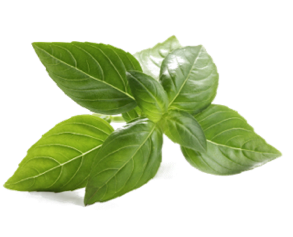
Also known as Holy Tulsi, basil is an herb, a species of the small mint plan considered pious in India. The leaves of basil have numerous oil glands with aromatic volatile oil. The Sanskrit name, Tulasi, comes from Vishnu’s wife who took on the form of this herb when she came to earth. As well as being sacred, the leaves of basil have great medicinal value for a variety of ailments and diseases. Basil has antioxidant properties, which help in boosting the body’s ability to fight off damaging free cells. It strengthens the immune system, and helps the body to fight the effects of ongoing stress by balancing the mind, nerves and emotions.
Basil stimulates the lungs, warms the body, calms the stomach and dries dampness. It is used in treatment of acne, asthma, anxiety, colds, constipation, coughs, depression, headache, nausea, and rheumatism. Topically, it can be used as poultice to treat insect bite and ringworm. Basil has an energizing aroma therapeutic effect once the essence is released through crushed leaves. In flower essence, basil helps release what no longer serve one’s purpose and promotes integrity and self-nurturing. In many cultures, basil is considered an herb of protection and used to attract prosperity and luck. Basil helps the soul experience the world as truly sacred and whole. Promotes: Integration of spirituality and sexuality into sacred wholeness Rebalances Loss of connection to self, spirit and sexuality
Also known as Holy Tulsi, basil is an herb, a species of the small mint plan considered pious in India. The leaves of basil have numerous oil glands with aromatic volatile oil. The Sanskrit name, Tulasi, comes from Vishnu’s wife who took on the form of this herb when she came to earth. As well as being sacred, the leaves of basil have great medicinal value for a variety of ailments and diseases. Basil has antioxidant properties, which help in boosting the body’s ability to fight off damaging free cells. It strengthens the immune system, and helps the body to fight the effects of ongoing stress by balancing the mind, nerves and emotions.
Basil stimulates the lungs, warms the body, calms the stomach and dries dampness. It is used in treatment of acne, asthma, anxiety, colds, constipation, coughs, depression, headache, nausea, and rheumatism. Topically, it can be used as poultice to treat insect bite and ringworm. Basil has an energizing aroma therapeutic effect once the essence is released through crushed leaves. In flower essence, basil helps release what no longer serve one’s purpose and promotes integrity and self-nurturing. In many cultures, basil is considered an herb of protection and used to attract prosperity and luck. Basil helps the soul experience the world as truly sacred and whole. Promotes: Integration of spirituality and sexuality into sacred wholeness Rebalances Loss of connection to self, spirit and sexuality
RUE
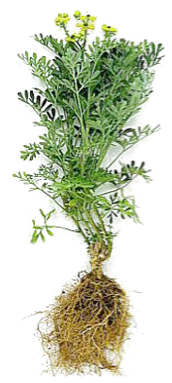
One of the most important phenols in the plant world, Rue is capable of a number of applications. It is a sacred, ceremonial herb of protection and can aid in love matters. It works on the vascular system to lower blood pressure, relieve stress, hypertension and capillary fragility, and to increase circulation in lungs, uterus, intestines and stomach. It is used to calm nerves, ease spasms, reduce pain and rid parasites. It can have a diuretic, anti-inflammatory, antiseptic and anti-tumor quality for the body. Thanks to its rutin content, it can be prepared as an eyewash or a poultice to treat gout, headache, joint soreness, tendonitis and wounds.
Made into a poultice, the leaves can ease the pain of sciatica. Chewing a leaf or two can ease headache, giddiness, or palpitations. Caution should be used; some people have strong reactions and allergies to this healing herb. Can cause skin reactions especially in heat of summer. Do not administer after eating.
Promotes: Protection, helps in matters of love and the heart, can dispel envy and jealousies, sharpens eyesight, and helps with gaseous states
Rebalances: impaired thinking, sluggishness, feelings of restlessness, nervousness; boredom, indifference and depression.
One of the most important phenols in the plant world, Rue is capable of a number of applications. It is a sacred, ceremonial herb of protection and can aid in love matters. It works on the vascular system to lower blood pressure, relieve stress, hypertension and capillary fragility, and to increase circulation in lungs, uterus, intestines and stomach. It is used to calm nerves, ease spasms, reduce pain and rid parasites. It can have a diuretic, anti-inflammatory, antiseptic and anti-tumor quality for the body. Thanks to its rutin content, it can be prepared as an eyewash or a poultice to treat gout, headache, joint soreness, tendonitis and wounds.
Made into a poultice, the leaves can ease the pain of sciatica. Chewing a leaf or two can ease headache, giddiness, or palpitations. Caution should be used; some people have strong reactions and allergies to this healing herb. Can cause skin reactions especially in heat of summer. Do not administer after eating.
Promotes: Protection, helps in matters of love and the heart, can dispel envy and jealousies, sharpens eyesight, and helps with gaseous states
Rebalances: impaired thinking, sluggishness, feelings of restlessness, nervousness; boredom, indifference and depression.
MARIGOLDS
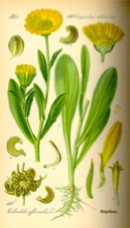
A member of the Aster family, this golden-orange flower looks like a piece of the sun fallen to earth. It is chiefly used as a local remedy for wounds, including burns and lacerations, for glandular problems such as lymphatic stagnation or swollen glands and as a general immune tonic.
As a bacteriostatic, it does not kill bacteria but rather contains it by keeping wounds clean and allowing the body to heal from the inside out. It helps prevent formation of scar tissue if used in timely manner and is useful in chronic ulcers and varicose veins.
It has been asserted that a Marigold flower, rubbed on the affected part, is a remedy for the pain and swelling caused by the sting of a wasp or bee. A lotion made from the flowers is useful for sprains and wounds, and water distilled from them is good for inflamed and sore eyes. An infusion of the freshly gathered flowers is employed in fevers, as it gently promotes perspiration. The leaves when chewed at first communicate a viscid sweetness, followed by a strong penetrating taste, and can help with sluggish digestion and constipation.
Promotes: Healing warmth and receptivity, especially in the use of the spoken word and in dialogue with others Rebalances: Lack of receptivity in communication in others, an argumentative state of mind, and use of cutting speech
Sources of information for this page were found in these excellent reference books: The Desktop Guide to Herbal Medicine by Brigitte Mars, A.H.G. The Book of Herbal Wisdom, Using Plants as Medicine by Matthew Wood Flower Essence Repertory by Patricia Kaminski and Richard Katz The 9th International Herb Symposium UPS Rosemary Gladwater
A member of the Aster family, this golden-orange flower looks like a piece of the sun fallen to earth. It is chiefly used as a local remedy for wounds, including burns and lacerations, for glandular problems such as lymphatic stagnation or swollen glands and as a general immune tonic.
As a bacteriostatic, it does not kill bacteria but rather contains it by keeping wounds clean and allowing the body to heal from the inside out. It helps prevent formation of scar tissue if used in timely manner and is useful in chronic ulcers and varicose veins.
It has been asserted that a Marigold flower, rubbed on the affected part, is a remedy for the pain and swelling caused by the sting of a wasp or bee. A lotion made from the flowers is useful for sprains and wounds, and water distilled from them is good for inflamed and sore eyes. An infusion of the freshly gathered flowers is employed in fevers, as it gently promotes perspiration. The leaves when chewed at first communicate a viscid sweetness, followed by a strong penetrating taste, and can help with sluggish digestion and constipation.
Promotes: Healing warmth and receptivity, especially in the use of the spoken word and in dialogue with others Rebalances: Lack of receptivity in communication in others, an argumentative state of mind, and use of cutting speech
Sources of information for this page were found in these excellent reference books: The Desktop Guide to Herbal Medicine by Brigitte Mars, A.H.G. The Book of Herbal Wisdom, Using Plants as Medicine by Matthew Wood Flower Essence Repertory by Patricia Kaminski and Richard Katz The 9th International Herb Symposium UPS Rosemary Gladwater